249. Quick Thinks: Rituals That Make Teamwork Work
The right rituals—and the right conversations—can transform how your team collaborates.









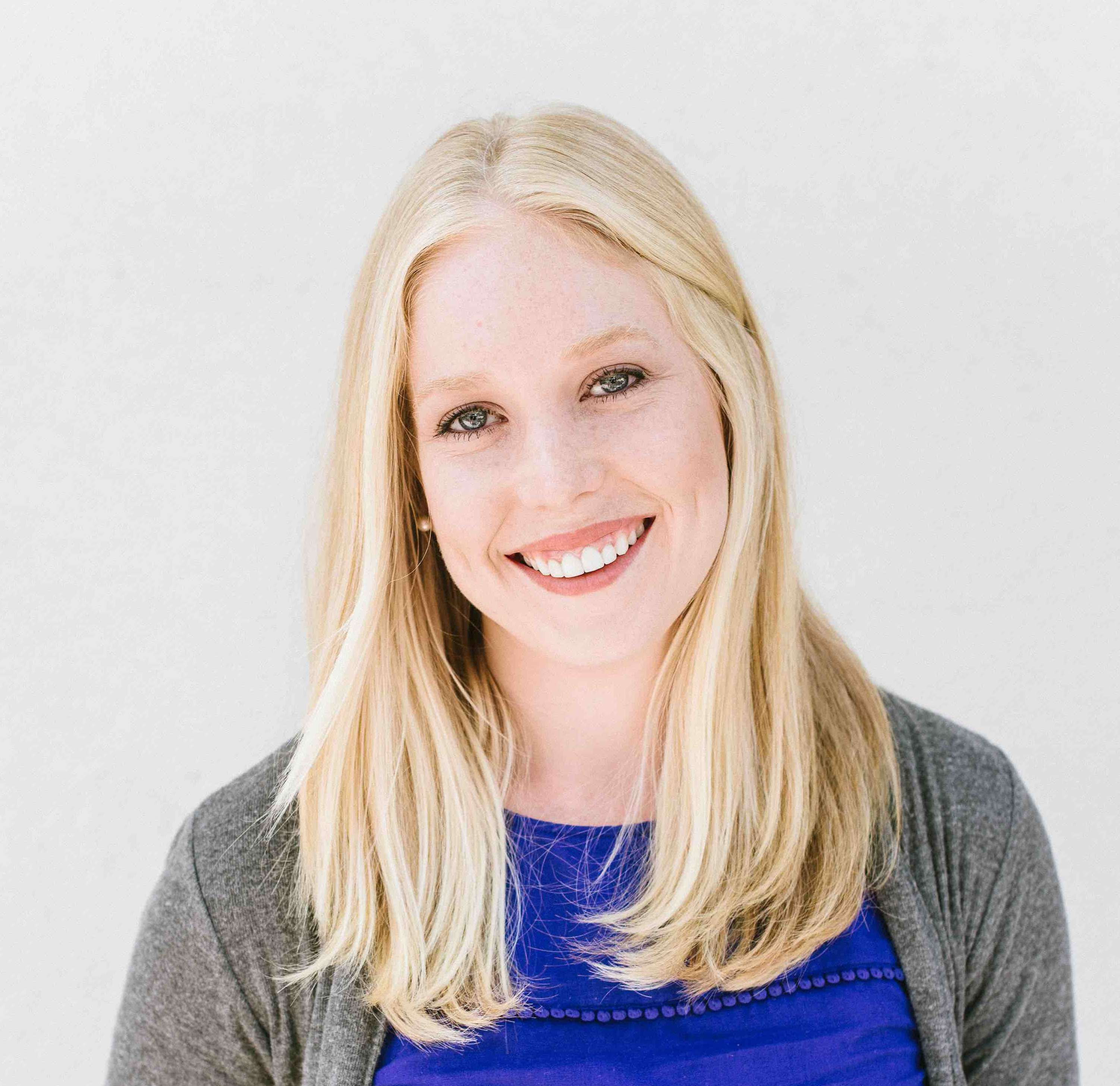
Strong collaboration starts with thoughtful practices and clear communication. As Molly Sands, Head of the Teamwork Lab at Atlassian, emphasizes, the teams that thrive are the ones that regularly pause to align on what matters and how they’re progressing. “You want to know if you’re making progress,” she notes, “and you want ways to redirect early—before you’re scrambling at the end.”
Through her research with teams across Atlassian and around the world, Sands has seen how small, consistent habits—monthly goal reviews, transparent updates, shared spaces for spontaneous interaction—build alignment, psychological safety, and momentum. And in hybrid and distributed environments, she highlights how “bursty” collaboration patterns and intentional meeting design help teams move faster without burning out.
In this Quick Thinks episode of Think Fast, Talk Smart, Sands and host Matt Abrahams break down the rituals that make teamwork work, from OKR check-ins to collaboration hours to the rotating Chief Vibes Officer. No matter where your team sits, Sands shows how intentional communication unlocks connection, speed, and more satisfying ways of working together.
Episode Reference Links:
Connect:
- Premium Signup >>>> Think Fast Talk Smart Premium
- Email Questions & Feedback >>> hello@fastersmarter.io
- Episode Transcripts >>> Think Fast Talk Smart Website
- Newsletter Signup + English Language Learning >>> FasterSmarter.io
- Think Fast Talk Smart >>> LinkedIn, Instagram, YouTube
- Matt Abrahams >>> LinkedIn
********
Thank you to our sponsors. These partnerships support the ongoing production of the podcast, allowing us to bring it to you at no cost.
Go to Quince.com/ThinkFast for free shipping on your order and 365-day returns.
Join our Think Fast Talk Smart Learning Community and become the communicator you want to be.
[00:00:00] Matt Abrahams: The ability to collaborate well with others, to learn, to do, to plan, often determines the success of your relationships, both in your personal and professional lives. My name is Matt Abrahams and I teach strategic communication at Stanford Graduate School of Business. Welcome to this Quick Thinks episode of Think Fast Talk Smart, the podcast. I had a fantastic, insightful conversation with Molly Sands, who heads up the Teamwork Lab at Atlassian. Molly shared so many valuable skills and ideas that we couldn't put them all in one episode. So here comes some more practical, tactical tips on how to collaborate better and institute important collaborative rituals.
[00:00:42] I know a lot of what you do as a company, but you personally is focus on collaboration. And I'd love for you to explain to me what effective collaboration is and how do you assess that? How do you assess collaboration? What is it? And then do you have a one or two best practices to help us all be better in the collaboration that we do?
[00:01:01] Molly Sands: Yeah, I think a ton about this, and I think it's one of the biggest challenges, right? How do you measure this thing that feels so ephemeral in so many ways?
[00:01:11] Matt Abrahams: I think most people default to just measure the output of the collaboration, but the quality of the collaboration and the depth of the collaboration are also important.
[00:01:19] Molly Sands: Yeah. And measuring the output does not tell you if people are doing the right thing, and I think that is a really big challenge that most companies face. I'm a fan of having a variety of metrics that you're looking at when you're thinking about collaboration so you do get a more robust picture. And part of that is are these groups reaching their goals? Are they achieving the things that they set out to do? And in order to do that, you need to be consistently evolving goals. We see in a lot of companies, it's a very set it and forget it kind of thing, right? We do this big performative thing at the start of the fiscal year, and then at the end you scramble to say, did it happen or not?
[00:01:59] And so we created a lot of goal rituals for teams to help them continually assess their progress. That doesn't mean that if you're off track for a week, it's an issue, but you wanna know, right? You wanna pick up those patterns over time, and you wanna redirect. And capturing data about what people are trying to achieve and if they are able to achieve it, and how well, is huge for being able to assess collaboration. It's also really important to understand the experience within teams. And you see that teams experiences are very predictive of things like output and success and how often they achieve what they set out to do and how quickly they're able to get there. So I really do think it's valuable to survey teams to understand, do people you know feel safe speaking up?
[00:02:49] Do they have good psychological safety? We know that's a strong predictor of their outcomes, both in how quickly they can move and how likely they are to achieve what they want to do. We also really wanna look at clarity. Do people understand what their roles are in teams? This is really critical for being successful. If I know it's my job to move that forward, or I need to care about this and think about what's gonna happen next, it makes it much easier for us to all move quickly together. We do look at things like speed as well. Are team's able to quickly assemble around a problem and then move forward and get through tasks and output. I still think output is relevant, but it just can't be that complete picture.
[00:03:34] Matt Abrahams: So many rich things that you said there. I wanna make sure I get an example from you what a ritual is around helping people review goals, 'cause that, that sounds really important. I'd love to know what that could look like, but it sounds like as people who are leading meetings, leading teams, fostering collaboration, we have to be paying attention to how we're doing it. Not just what we're doing. Do you spend time training leaders, managers, facilitators on how to do that? Because you know, I was a manager for a long time. I know a lot of people who manage and lead. I'm not sure they've ever received advice and guidance on how to do that piece of it. And so I'd love to, to hear what you do to help train people. And I would love to get a goal ritual from you.
[00:04:13] Molly Sands: Yes. So a lot of what my team focuses on is teaching people better ways of working. So we work with managers, leaders, teams, people at every level of the organization to help them implement rituals and habits, goals is a good example that we can talk about, that make them more likely to achieve success. We have an amazing resource called the Atlassian Team Playbook, where we put a lot of our research and tested best practices together as guidance for teams. So that's one of the ways that we make this available to everyone. It's free on our website, so if you wanna learn more about any of these rituals or practices, you can find it there.
[00:04:51] But let's start with the goal example. So we track all of our goals. They're available, and we, whenever possible, make them viewable by anyone in the company. And every month teams score their goal. We use an OKR based system and they will give it a score and track progress on any metrics that are relevant at that point, and write a Tweet sized update. And anyone in the company can take a look at that goal and see what that update looks like. And every quarter we'll review those goals and say, does this still make sense?
[00:05:25] Given everything that we have learned from the work we've done here, is this still the right thing to be working towards? Has our strategy changed in any way? We're not reevaluating that every day. You can never make progress if you think about the big picture at every second. Sometimes you really need to execute. And then we tie those goals to projects. So any significant effort that is going into moving the needle on that thing gets connected to a goal, and teams reflect on progress for projects in a similar Tweet sized update every week.
[00:05:58] Matt Abrahams: So it's time-based and it's about being explicit and making it available for everybody to see, so people are accountable. You're putting this out and people will see it, but also allows others to check in and see what's going on, and that ritualized nature, time-based nature, every month, every quarter, every week can be really helpful. Thank you for that. I think all of us can benefit by thinking about how we can collaborate better and what we need to measure to make sure we're doing it. So we live in an era of hybrid and virtual work, spontaneous collaboration that would happen when you and I run into each other on the hall and I say, Hey, I was just thinking about, and you share your thoughts. How can teams intentionally design their communication practices for this sense of quick, spontaneous interaction that we miss when we're not all together in the same place?
[00:06:48] Molly Sands: Two things. One, you have to cancel some of the meetings. You cannot be in standing meetings all the time and still have those moments to come together. We know from decades of research that these bursty collaboration patterns, so when teams talk a lot for a short time and have quick back and forths and then are quiet, doing deeper work for an extended period of time as well, and alternate between those modes, those are the highest performing remote and distributed teams, and they continue to be. So making sure that you do have some time in your schedule for things as they dynamically change. When we're over-planned or overscheduled we just can't hop on a call. We can't just jump in to talk about something or solve a problem together. So I always encourage teams to set some collaboration hours, especially if you're really distributed across time zones, where you try to keep those free of those standing meetings, but do plan to interact and be available as needed throughout the week.
[00:07:47] That's huge for helping those groups move a lot faster. And then you also need ways to build connections. One of my favorite rituals that we have from Atlassian that we've studied with hundreds and hundreds of teams, 'cause every time we do this everyone signs up, is something we call the Chief Vibes Officer. The CVO, if you will, and you'll be the CVO for your team for a week. And it is your job to inject fun into work. So people come up with silly prompts and they might put a prompt in Slack of, Hey, tell me if you could magically transport yourself to any place in the world right now, where would you go? Or what is one thing you were hilariously terrified of as a child? It could be any sort of different type of fun question. Some are more serious, some are more fun. But creating some intentional touch points throughout your week where people do start to get to know each other better, just helps build those bridges and those connections. And when you are in a really distributed team, you need some ways to make sure that continues to happen.
[00:08:53] Matt Abrahams: So we have to put time aside to actually collaborate, which often means getting rid of those standing highly structured meetings. And I love this idea of being Chief Vibe Officer for your team. And what I like about it is it sounds like it rotates. So everybody has an opportunity to do that, which means everybody brings their own personality to it. But because you know you're gonna do it at some point, you're much more likely to contribute when somebody else does it. So it actually has a built-in engagement tool.
[00:09:19] Molly Sands: Yeah, and we found from the teams that do that consistently, that not only do they have more fun at work and feel better and more connected about their team, they also are more likely to ask each other for help and to feel comfortable coming forward when they have an issue flagging risks and problems. These kinds of things that we know are so key for high performing teams, but just building those social bridges really helps.
[00:09:43] Matt Abrahams: What an easy way to get that really big unlock to people asking help. I know also that you all believe that when people do come together physically in the same place, that it's important to make that really easy as well, and to make that part of the way that you operate, is there are times where people come together and the space is easy you can plug in. So this notion of when we do come together, we don't want a lot of friction in that.
[00:10:08] Molly Sands: Yeah, we have done a lot to make it easy for teams to come together in person. 'Cause that is a really important experience, especially for newer teams, people that haven't worked together as long. My team did some interesting analyses. We have all the data about what people do with those gatherings. We have all of the agendas from them. And so we looked at those and we found that there were three types of gatherings that were really effective. One was what we call doing the work. So coming together around a key project or initiative, especially when it was kicking off and really getting started and getting momentum together.
[00:10:46] Another was learning about the work, so getting more context about the business, about the problems, setting out more information about collaborators and who we're gonna work with. And then the third was planning the work. And that is really thinking about what is our strategy for this year? What does our roadmap look like, getting aligned about what we wanna achieve. And those three use cases tended to help teams move faster. They felt like it was a great use of time, and they felt more connected to each other. And so having a focus of any time you're bringing people together that is that do, learn, or plan is really effective.
[00:11:29] And within that, you also wanna have moments for team building and those can be social, certainly it's lovely to go out to dinner, but it's also good to have those intentional conversations about ways of working. And these in-person times can be a really good time to establish some of your working norms, how you're gonna communicate, how you wanna collaborate, how you're gonna do your updates. Those are async updates. What does that look like? Getting those shared expectations really helps.
[00:11:59] Matt Abrahams: It seems to me that if you're going to bring people together, you should have an intent and purpose in mind. And this notion of doing learning or planning is a good way to do that. And it also helps set a clear vision for what that time together is for. So it helps focus the people when you're there and it helps you decide, should I do it or should I not? You know, we work in a world where we are geographically diverse and separated within a given workforce. You can have many generations in terms of age. In your work, have you found best practices or advice, or maybe even the opposite, potholes and things, speed bumps that get in the way when you're dealing with diversity in terms of culture, in terms of time, in terms of age? How do we navigate this to maximize the efficiency of collaboration and connection?
[00:12:43] Molly Sands: There's so much value in having diverse teams and having lots of perspectives, and the thing that helps those teams be successful is being clear about how they work together. So the more that the rituals and the ways you communicate are just made explicit to everyone on the team, the easier it is to have all of those voices contributing. And I think there's a lot of practical ways teams can do this. The page led meetings are a great example. Anytime that I'm bringing together a group of people to talk about a problem, I want to give them multiple modalities to contribute. I may not be the loudest person in the room. I sometimes am the loudest person in the room, but not everyone is. They may not want the spotlight. They have useful feedback and ideas, so give them a way to contribute in writing. Give them a way to flag something, do a whiteboard exercise. Do something that gives people many ways to get their voice into that conversation, even if they process or think differently.
[00:13:44] Matt Abrahams: I really like that idea of respecting how different people show up and how they feel comfortable contributing. And I think that's important as leaders and managers to give them those different avenues to really help them. And I think to make it explicit, that what makes us strong is our diversity, but that also means that we have different ways of communicating, different ways of contributing, and we wanna make sure everybody feels comfortable. Very key advice.
[00:14:07] Well, there you have it, as promised, lots of useful tips and tactics to help you and your teams to be more collaborative and productive. I hope each of you takes away valuable information from Molly and that you take on the role of Chief Vibes Officer. Be sure to let me know the fun things you institute.
[00:14:27] Thank you for joining us for another episode of Think Fast Talk Smart, the podcast. To learn more about teams and teaming, please listen to episode 242 with Colin Fisher. This episode was produced by Katherine Reed, Ryan Campos, and me, Matt Abrahams. Our music is from Floyd Wonder. With special thanks to the Podium Podcast Company. Please find us on YouTube and wherever you get your podcasts. Be sure to subscribe and rate us. Also, follow us on LinkedIn, TikTok, and Instagram. And check out fastersmarter.io for deep dive videos, English language learning content, and our newsletter. Please consider our premium offering for extended Deep Thinks episodes, AMAs, Ask Matt Anythings, and much more at fastersmarter.io/premium.